

6 Effective Home Remedies to Relieve Pain and Support Recovery
What Is Tennis Elbow? Understanding the Causes and Symptoms
Tennis elbow, medically known as lateral epicondylitis, causes pain on the outer side of the elbow. The condition is often linked to repetitive gripping, lifting and wrist movements.
While recovery can take weeks or even months, some home-care measures may help ease discomfort and support healing.
Six ways to manage tennis elbow at home.
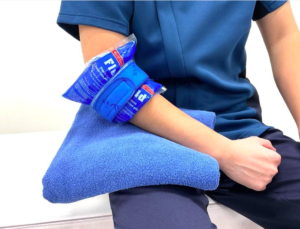
1. Apply a cold compress
Wrap an ice pack in a towel and place it on the painful area for 15–20 minutes, three to four times a day. Avoid applying ice directly to the skin.
“A simple ice pack, gentle stretching and activity modification can help manage tennis elbow discomfort.”
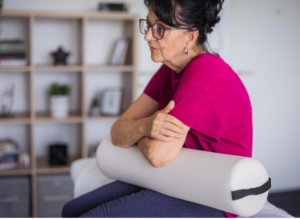
2. Reduce activities that trigger pain
Temporarily limit movements that aggravate the elbow, including heavy lifting, repeated gripping, wringing clothes and prolonged use of tools. Allowing the affected arm to rest from painful activities may help reduce strain.
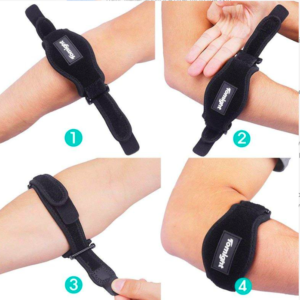
3. Consider a tennis elbow strap
A counterforce forearm strap may help reduce strain during certain activities. It should feel supportive without being too tight. Remove it if it causes numbness or discomfort.
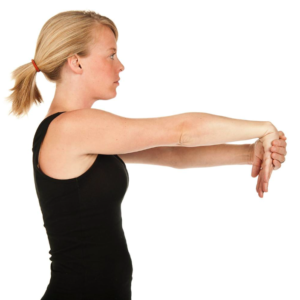
4. Try gentle wrist stretches
With the arm straight and palm facing down, use the other hand to gently bend the wrist downward until a mild stretch is felt. Hold for 15–20 seconds. Stop if the movement increases pain.
“Rest does not mean complete inactivity; gradual strengthening plays an important role in recovery.”
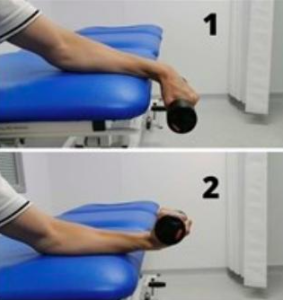
5. Gradually strengthen the forearm
Once the pain has eased, gentle physiotherapy exercises may help strengthen the forearm muscles. Begin with very light resistance and avoid movements that cause pain. A physiotherapist can guide the exercise routine.
6. Make small changes to daily habits
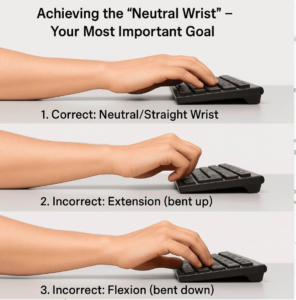
Keep the wrist straight while working, use a comfortable grip and avoid lifting heavy objects with the palm facing down. These adjustments may help reduce repeated strain on the elbow.
“Tennis elbow recovery begins with reducing strain, allowing the affected muscles and tendons time to heal.”
Do turmeric, oil massage or heat help?
Turmeric, warm oil massage and hot compresses are not established cures for tennis elbow. Avoid deep massage or forceful manipulation of the painful area, particularly if it is inflamed.
When to seek medical advice
Medical evaluation is advisable if the pain is severe or worsening, or if there is swelling, redness, warmth, significant weakness, numbness or tingling.
Seek help if gripping or lifting everyday objects becomes difficult, or if symptoms do not improve after two to three weeks of self-care.
Tennis elbow can take several weeks or months to recover. Physiotherapy may be helpful, particularly when symptoms persist.
Frequently Asked Questions About Tennis Elbow
1. What is tennis elbow?
Tennis elbow, or lateral epicondylitis, is a condition that causes pain on the outer side of the elbow, often associated with repetitive gripping, lifting or wrist movements.
2. What causes tennis elbow?
It is often linked to repeated movements that strain the forearm muscles and tendons, such as heavy lifting, frequent gripping or prolonged use of tools.
3. How can I manage tennis elbow at home?
Home-care measures include applying a wrapped cold pack for 15–20 minutes, reducing activities that trigger pain, keeping the wrist straight during tasks and trying gentle stretches when comfortable.
4. Can a tennis elbow strap help?
A counterforce forearm strap may reduce strain during activities. It should feel supportive, not tight, and should be removed if it causes numbness or discomfort.
5. Are exercises helpful for tennis elbow?
Gentle wrist stretches and gradual forearm-strengthening exercises may help. Start with light resistance and stop any movement that increases pain. A physiotherapist can guide suitable exercises.
6. How long does tennis elbow take to recover?
Recovery may take several weeks or even months. Physiotherapy may be helpful, especially if symptoms persist.
7. When should I see a doctor?
Seek medical advice if pain is severe or worsening, if you notice swelling, redness, warmth, significant weakness, numbness or tingling, or if you have difficulty gripping everyday objects.
Get checked if symptoms do not improve after two to three weeks of self-care.
Also Read : 5 Superfoods That Can Help Enhance Mental Health
For latest news and updates from the world of television, health & wellness, music, OTT, astrology, fashion, style, hollywood, bollywood and bhojpuri cinema. Do follow our Whatsapp Channel below for more:
Downtown Mirror Whatsapp Channel

